RISC-V Alliance Japan

Menu
  • 日本語日本語
  • Events
    • 2026 Spring
    • 2025 Autumn
    • 2024 Summer
    • 2024 Winter
    • 2023 Summer
    • 2022 Autumn
    • 2022 Spring
    • 2022 Vietnam
    • 2021 Autumn
    • 2021 Spring
    • 2020
    • 2020 Vietnam
    • 2019 Tokyo
  • RISC-V International
  • Facebook
  • Twitter

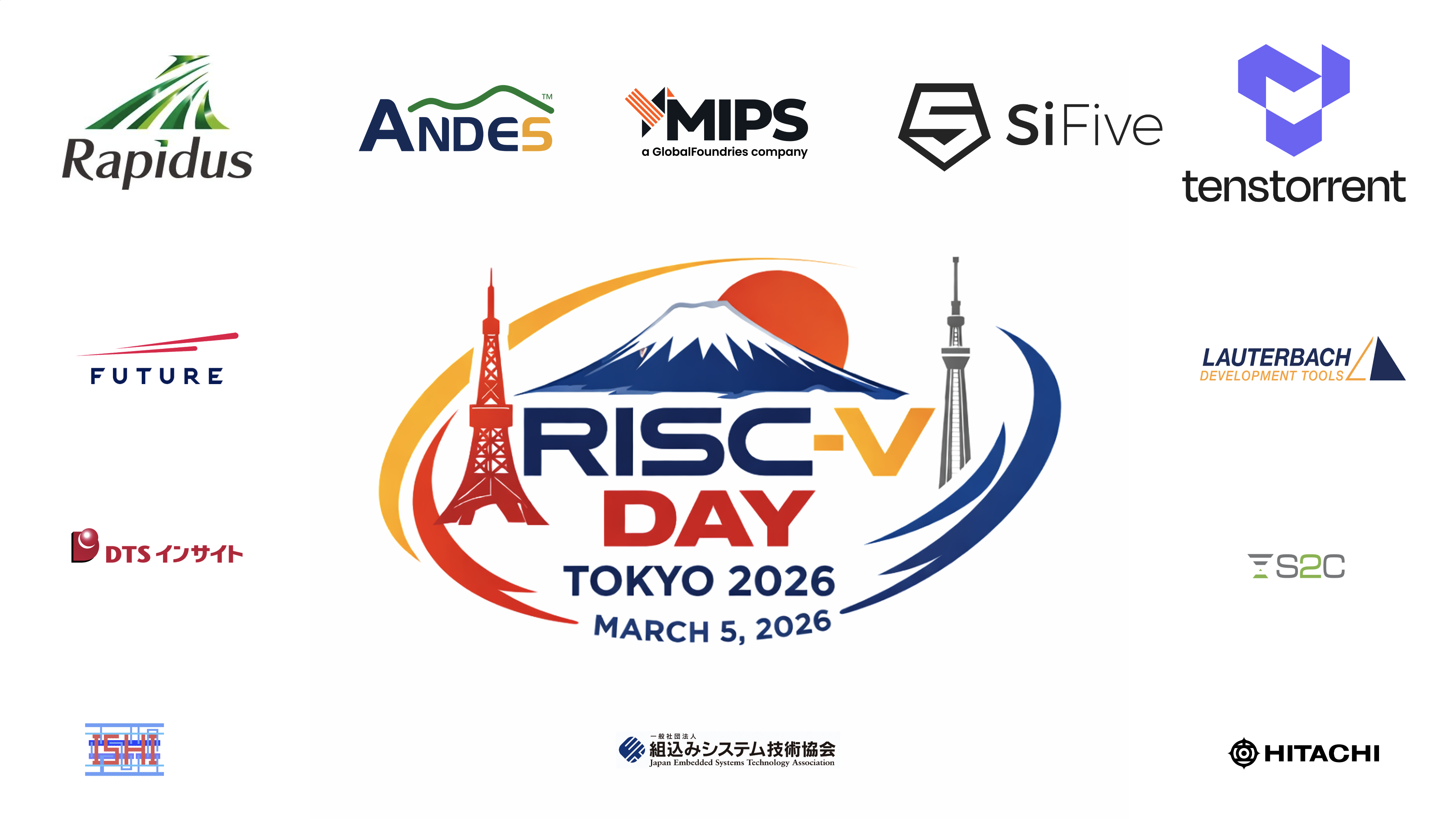
Shaping the Future with Open Standards, AI Software Ecosystems, and the Semiconductor Supply Chain

Thursday, March 5, 2026
9:00–18:00 Japan Standard Time (UTC+9)
Click here for attendees to register (Peatix)
Click here to submit your proposal (Talks / Posters) — Proposals will undergo a selection process
Click here for the Call for Sponsors: Presentations & Exhibits

Speakers are listed without honorifics.

時間
写真

発表題目
発表概要

発表者
経歴

Current Status and Future Policy Directions of Japan’s Semiconductor and Digital Industry Strategy
In 2025, Japan’s advanced semiconductor project Rapidus reached the stage of technical demonstration for advanced semiconductor manufacturing technologies at the 2-nanometer (2nm) node. This milestone is positioned as evidence that Japan’s semiconductor industry has made tangible progress in research and development, as well as in building manufacturing foundations for leading-edge process technologies. (Rapidus is a part of national project established to re-establish Japan’s capability in cutting-edge logic semiconductor manufacturing.)
 At the same time, a review of Japan’s semiconductor industry history shows that there have been numerous cases in which technological innovation was achieved, yet long-term business sustainability and international competitiveness were not fully secured. The gap between “being able to manufacture” and “being able to sustain a viable business” has been repeatedly identified as a structural challenge, and it remains a key issue in current industrial policy discussions.
 This lecture provides an organized overview and explanation of the current policy perspective and future direction for the advanced semiconductor sector, based on the Ministry of Economy, Trade and Industry (METI) document “Current Status and Future Outlook of the Semiconductor and Digital Industry Strategy.”
 The policy materials emphasize the need to progress in stages, covering advanced technology R&D, manufacturing infrastructure development, and commercialization. Within this framework, the technical validation of advanced manufacturing processes, including leading-edge nodes, is positioned as one of the critical milestones.
 The materials also repeatedly highlight that technical achievement alone is not the final objective. Rather, ensuring business autonomy and long-term sustainability is identified as an essential challenge that must be addressed alongside technological progress.
 Furthermore, the government places importance on building a semiconductor supply chain premised on international cooperation with allied and like-minded countries, rather than relying on a purely domestic, self-contained industrial structure. The documents indicate a shared recognition that strengthening competitiveness requires a holistic industry ecosystem approach, encompassing design, manufacturing, equipment, materials, and human capital.
 Based on these policy documents, this presentation examines how the two key axes—“establishing advanced technologies” and “securing business sustainability”—are structured and discussed.
This presentation does not propose new policy measures or future strategies, but aims to organize and explain the contents of publicly available policy materials. (Provisional title and abstract prepared by the conference organizer)

Speaker: To be announced


Development of Advanced Semiconductor Design Infrastructure and Ongoing Project Plans at AIDC
This presentation introduces the current status of semiconductor design environment development at the Advanced Integrated Device Consortium (AIDC), promoted by the National Institute of Advanced Industrial Science and Technology (AIST), as well as an overview of major projects currently underway.
 At AIDC, efforts are progressing to establish a digital design environment aligned with advanced semiconductor processes, and to build an end-to-end workflow covering design, prototyping, and evaluation. This talk will conceptually explain AIDC’s overall vision, its approach to developing the design infrastructure, and the general direction of its research and development activities.
 Based on recent progress, including wafer evaluation results, the presentation will also discuss the significance of Japan’s advanced semiconductor R&D infrastructure and its future outlook. In addition, it will explore the potential role that open architectures—such as RISC-V—may play in future semiconductor design and research environments.

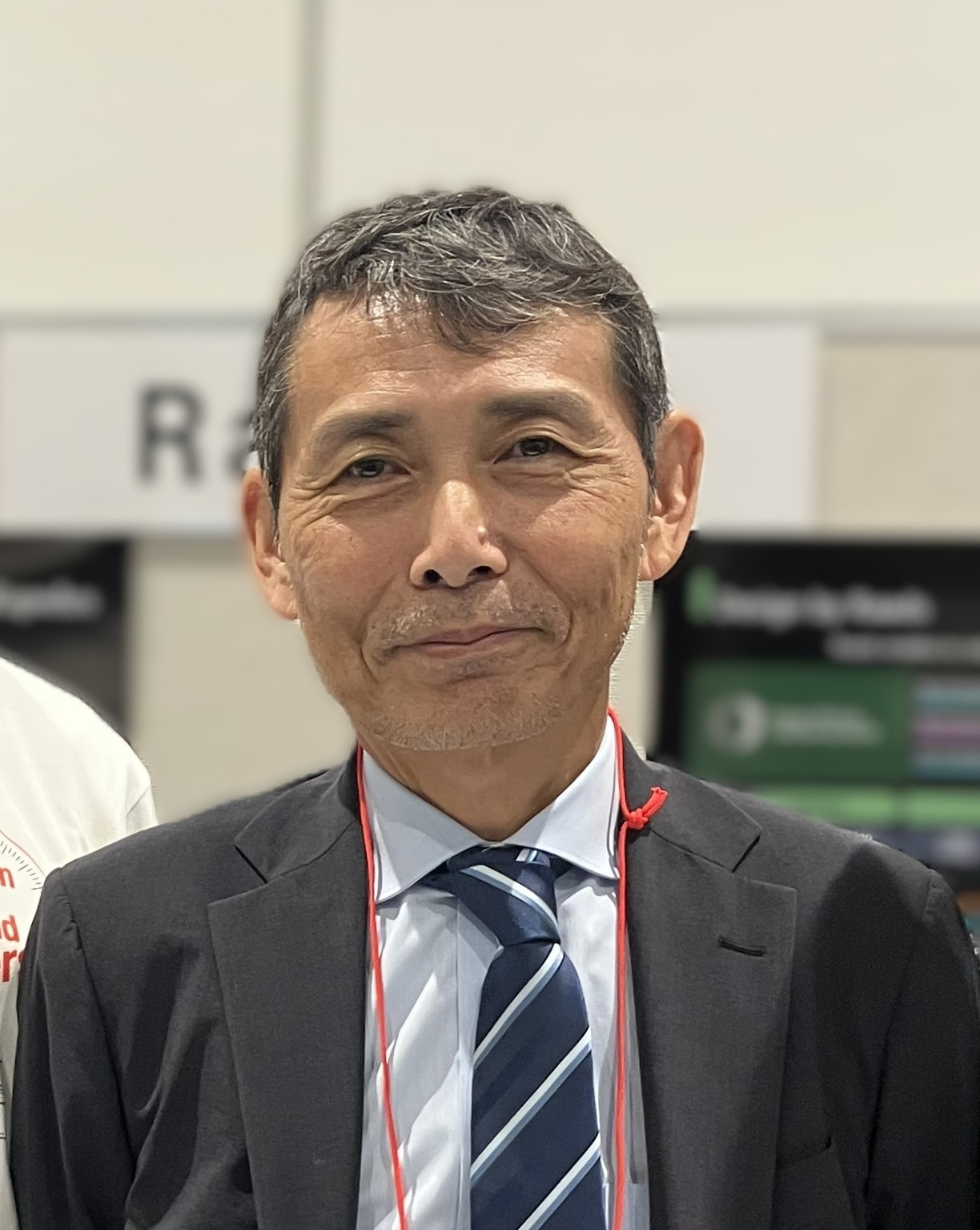
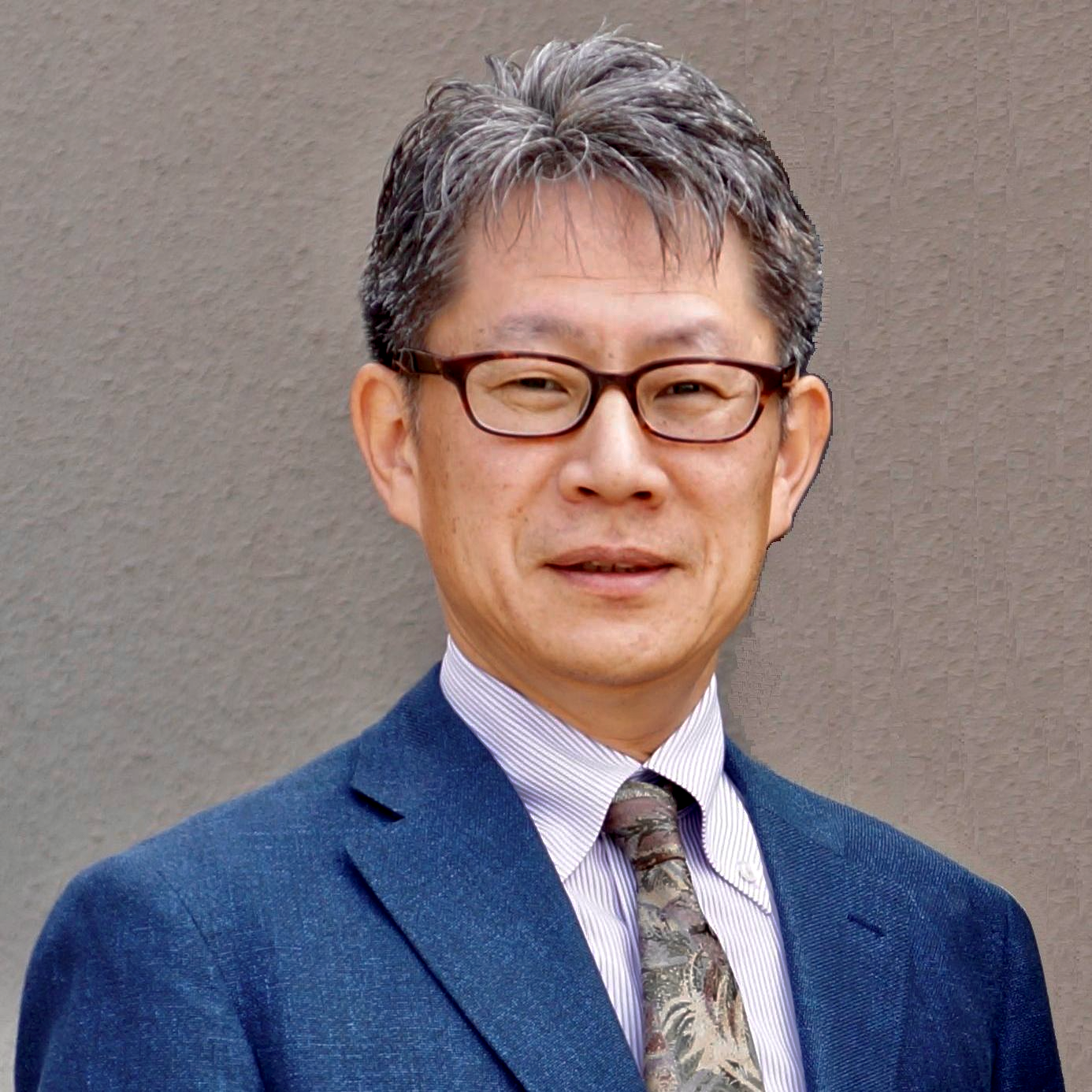
Kunio Uchiyama | Executive Director, AI Chip Design Laboratory (Invited Senior Researcher), National Institute of Advanced Industrial Science and Technology (AIST)
 The AI Chip Design Center (AIDC) is a NEDO-funded project jointly conducted by AIST and the University of Tokyo. Its objective is to accelerate AI chip development in Japan by providing small and medium-sized enterprises and startups with LSI design environments—such as EDA tools and logic emulators—as well as shared foundational technologies including AI chip design flows and SoC platforms. The center is located on the University of Tokyo’s Asano Campus, where facility development has been underway, and trial operations began in October 2019.
 Mr. Kunio Uchiyama received his master’s degree in Information Science from Tokyo Institute of Technology and holds a Ph.D. in Engineering. He joined Hitachi, Ltd. Central Research Laboratory in 1978, where he engaged in research on CAD, mainframes, microprocessors, and computer systems. After serving as Chief Engineer, Executive Officer, and Technical Advisor at Hitachi, he currently serves as an Invited Researcher at AIST and leads the NEDO-funded AI Chip Design Center. Kunio is a Fellow of the IEEE and the Institute of Electronics, Information and Communication Engineers (IEICE), and has also served as a member of the IEEE Computer Society Board of Governors.

The Future of AI Enabled by Open Compute: Chiplets, Scalable AI, and AI Development Platforms
The rapid adoption of generative AI and large-scale AI models is driving demand for computing platforms that go beyond traditional GPU-centric architectures, requiring greater flexibility, scalability, and power efficiency. In this talk, from the perspective of an AI accelerator designer, we introduce Tenstorrent’s approach to building an open AI computing platform, and discuss the role that RISC-V plays within this architecture.
 At Tenstorrent, a dataflow-oriented architecture optimized for AI computation is combined with RISC-V as the control and management plane, with the goal of enabling scalable and highly customizable AI systems. This presentation explains the design rationale behind choosing RISC-V over x86 or ARM, examining factors such as chiplet-based architectures, long-term extensibility, and support for security and confidential computing.
 The talk also addresses the importance of designing with the entire ecosystem in mind—including software stacks, compilers, and runtimes—and discusses how open standards influence the evolution of AI hardware. Finally, it offers a forward-looking perspective on how open hardware–software co-design centered on RISC-V may shape the future of AI, HPC, and data center computing. (Proposed title and abstract by the organizer)

Speaker: To be announced | Tenstorrent

MIPS in the AI Era: Scalable Compute IP for AI, Robotics, and Edge Systems
 MIPS has a long history as an early RISC processor architecture and has recently been redefined as a RISC-V–based compute IP provider. Through its acquisition by GlobalFoundries and a range of strategic partnerships, MIPS now delivers multicore and data-movement subsystems designed to meet the demands of real-time, low-latency, and power-efficient computing in domains such as AI power delivery, industrial robotics, and automotive systems.
 This presentation explains how MIPS’s RISC-V IP portfolio is being used as scalable CPU and AI inference engines, particularly to enable highly efficient computing for autonomous systems and edge devices. It also discusses key design strategies—including multithreaded, coherent processing elements and accelerator integration—as well as ecosystem-building efforts across industry. Finally, the talk outlines future directions for AI, robotics, and edge computing enabled by MIPS technology. (Proposed title and abstract by the organizer)

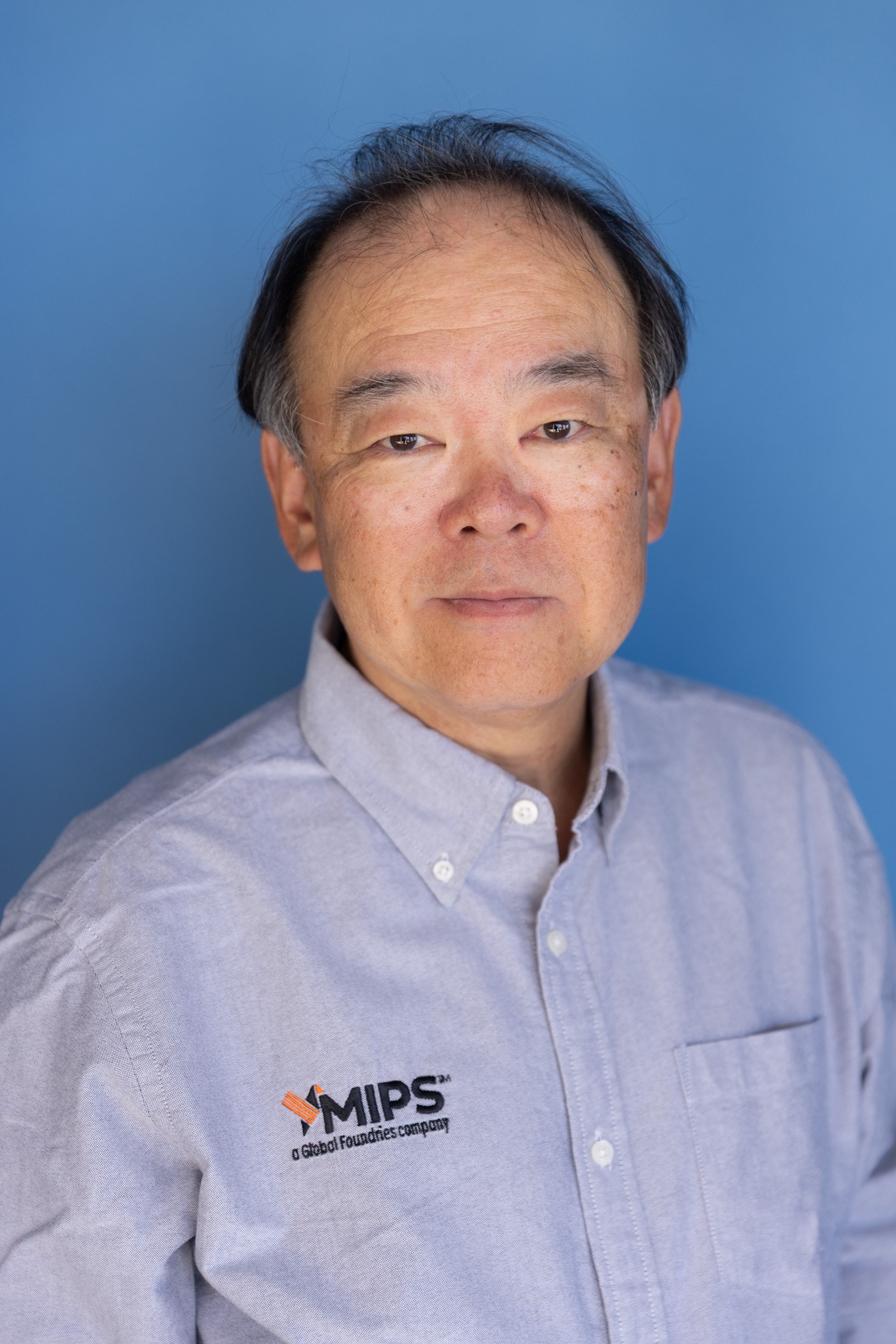
Speaker: To be announced | MIPS Technology

Debugging in the Era of Open ISAs: RISC-V Software and System Bring-Up with TRACE32
 In mission-critical embedded systems such as automotive safety control, industrial automation, and medical devices, design reliability and correctness are of paramount importance. This presentation introduces methods for supporting the entire lifecycle of complex SoC and embedded software development using Lauterbach’s industry-standard debug and trace platform, TRACE32®.
 From early-stage RTL verification through final product safety certification, the session explains advanced solutions that visualize fine-grained hardware–software interactions, enabling real-time behavior analysis, verification, and debugging. TRACE32 supports a wide range of architectures—including RISC-V, ARM, and multicore/heterogeneous systems—and provides deep insight into system behavior through non-intrusive tracing of running systems.
 The presentation also covers trace analysis techniques and certified support packages that facilitate functional safety certification, demonstrating how TRACE32 helps ensure successful embedded system development in environments where reliability is critical.

Speaker: To be announced | Lauterbach Japan

Introduction to High-Performance Connectivity IP Enabling Chiplet Integration
 Chiplet technology is transforming semiconductor design by enabling modular, scalable architectures that can be deployed across a wide range of applications. This session introduces a reference architecture that integrates Alphawave’s chiplet IP across multiple foundries, and explains how it supports rapid development and first-silicon success.
The presentation focuses on advanced die-to-die (D2D) interconnect technologies that enable multi-die integration, as well as next-generation 224G high-speed connectivity technologies that support both scale-up and scale-out strategies. By leveraging silicon-proven IP and robust interconnect methodologies, this approach reduces design risk and accelerates innovation in next-generation semiconductor systems.

Jennifer Lee | VP of Sales and Korea/Japan Country Manager, Alphawave Semi
 Jennifer Lee is Vice President of Sales and Korea/Japan Country Manager at Alphawave Semi. She leads strategic customer engagement and drives business growth across key markets, with a particular focus on Korea.
 Ms. Lee brings more than 20 years of experience in the semiconductor IP industry, spanning design, field application engineering, and global sales. She began her career as an engineer and distinguished herself at Lucent Technologies and its spin-off, Agere Systems, where she was promoted to Distinguished Member of Technical Staff, a title awarded to exceptional technical contributors.
 Ms. Lee later held senior technical sales and leadership roles at Virage Logic (acquired by Synopsys), Cadence, Arm, and now Alphawave Semi. Ms. Lee holds a Master’s degree in Computer Engineering from the University of South Carolina. By combining a design-oriented mindset with a strong customer-centric approach, she has built long-term, value-driven partnerships across the semiconductor ecosystem.


Speakers are listed without honorifics.

Time
Photo

Presentation Title
Abstract

Speaker
Bio

9:00-13:00

Turing Machine ASIC “Hands-On” TinyTapeout Tutorial — From RTL to GDSII and Fabrication
This tutorial provides a fully hands-on introduction to ASIC design by implementing a Turing Machine using open-source EDA tools and an educational fabrication framework. The tutorial uses OpenROAD/OpenLane, SkyWater’s SKY130 open PDK, and the TinyTapeout platform, enabling attendees to experience how modern open-source tools can be used to design real chips. Throughout the session, participants will interactively learn each stage of the flow—design automation, physical implementation, and verification—while building an appreciation of Turing’s computational model through silicon realization. The goal of this 3-hour hands-on session is to give participants practical exposure to open-source ASIC development, deepen their understanding of computer architecture through the Turing Machine example, and guide them toward submitting a complete GDSII design via TinyTapeout’s fabrication shuttle. Participants must bring a personal Windows laptop with 50GB of free space (WSL2 + Ubuntu 24.04 recommended) or a Mac with Docker pre-installed. Tools will be installed on-site using a prepared Docker image.

Munetomo Maruyama
Click for Preview Material
Munetomo Maruyama is a veteran semiconductor design engineer with decades of experience in microcontroller (MCU) and SoC development in Japan. He began his career at Hitachi in 1986, contributing to the development of the SH-family microcontrollers, and later worked across multiple major semiconductor companies and ventures, where he led projects involving imaging SoCs, embedded MCUs, and advanced semiconductor device architectures. Maruyama is also widely known for developing and publishing the open-source mmRISC series of RISC-V CPU cores, contributing significantly to the dissemination of open hardware design methodologies in Japan. He has authored numerous technical articles and educational materials and is recognized for his clear, practical teaching style. With experience dating back to 1978 in microcomputers, FPGA, and computer architecture, Maruyama expertise: (1) MCU / SoC Architecture & Design (2) Open-source CPU Development (RISC-V mmRISC series) (3) ASIC/FPGA Design & Verification (4) Hands-on Engineering Education. 


A physical model of a Turing machine displayed at the “Go Ask Alice” exhibit of the Harvard Collection of Historical Scientific Instruments.
The device visually demonstrates how an abstract Turing machine operates by manipulating symbols on a tape.
Photograph by GabrielF/Wikimedia Commons(CC BY-SA 3.0)


Alan Turing (1912-1954), 1951. Photograph by Elliott & Fry. Courtesy of Wikimedia Commons. Public Domain.
 

About RISC-V Association

RISC-V-logo-figonly-mod-2

RISC-V Association is an association among RISC-V Foundation member companies. RISC-V Foundation defines Member Sponsored Events and Meetups as regional efforts and RISC-V Association supports these events. Presently Software Hardware Consulting handles business ends of this activity.

Recent Posts

  • RISC-V Day Tokyo 2025 Autumn Tutorial “Building a Device ‘ID Card’—From Power-On to Tamper Detection and Remote Proof (Tentative Title)” :RISC-V Day Tokyo 2025 Autumn • Instructor: H. Andrés Lagar-Cavilla, Principal Engineer, Google)
  • NVIDIA adds support for the CUDA platform on RISC-V in addition to x86 and Arm for its AI platform.
  • PBS WATCH: Trump hosts top tech CEOs, not including Elon Musk, at White House dinner
  • The design for the RISC-V 15th anniversary mug has been completed.
  • Announcement of “RISC-V DAY TOKYO 2025 AUTUMN”
  • In May 2025, the Trump administration officially announced the repeal of the “AI Diffusion Rule”.
  • Codasip selected to design a high-end RISC-V processor for the EU-funded DARE project
  • February 27, 2025 Thursday RISC-V DAY TOKYO 2025 SPRING Presentation 4:Kubuds(China)
  • 2025年2月27日(木)RISC-V DAY TOKYO 2025 SPRING 出展者情報2:アンデス・テクノロジーズ(台湾)
  • RISC-V DAY TOKYO 2025 Spring on Thursday, February 27, 2025 Bento details released!

Archives

  • September 2025 (4)
  • July 2025 (1)
  • May 2025 (1)
  • March 2025 (1)
  • February 2025 (3)
  • December 2024 (1)
  • November 2024 (3)
  • May 2024 (1)
  • January 2024 (6)
  • December 2023 (8)
  • November 2023 (2)
  • October 2023 (1)
  • June 2023 (4)
  • May 2023 (3)
  • April 2023 (2)
  • March 2023 (1)
  • January 2023 (1)
  • November 2022 (1)
  • October 2022 (2)
  • May 2022 (2)
  • April 2022 (2)
  • January 2022 (1)
  • December 2021 (3)
  • November 2021 (2)
  • June 2021 (1)
  • April 2021 (5)
  • February 2021 (2)
  • October 2020 (2)
  • September 2020 (1)
  • August 2020 (2)
  • July 2020 (1)
  • May 2020 (1)
  • April 2020 (1)
  • November 2019 (3)
  • October 2019 (15)
  • September 2019 (5)
  • August 2019 (1)
  • June 2019 (1)
  • 日本語日本語
  • Events
    • 2026 Spring
    • 2025 Autumn
    • 2024 Summer
    • 2024 Winter
    • 2023 Summer
    • 2022 Autumn
    • 2022 Spring
    • 2022 Vietnam
    • 2021 Autumn
    • 2021 Spring
    • 2020
    • 2020 Vietnam
    • 2019 Tokyo
  • RISC-V International
  • Facebook
  • Twitter
Privacy Policy
© 2021-2025 RISC-V Alliance Japan